The Hidden Weight of Nonprofit Leadership
1 Thessalonians 5: 12-13 – “Now we ask you brothers (and sisters), to respect those who work hard among you, who are over you in the Lord and who admonish you. Hold them in the highest regard in love because of their work.”
When I’m asked to have coffee with someone on the front lines serving our neighbors, I always say yes and meet as soon as possible. As I listened to her, my heart broke and my frustration was stirred. She said, “It recently struck me that gracious endurance is a burden that I carry alone.” She is strong, compassionate and constant. So she is depended upon and taken for granted and no one says anything because everyone knows there’s no one ready to replace her. I listened to and prayed with her. But then God brought to my heart and mind so many leaders who suffer quietly while giving everything.
So I’m offering the following and asking supporters and donors to observe and care for the leader of the ministry you support, volunteer with or give to – I hope – as a word of awareness and conviction. We can do more. We can do better. Together.




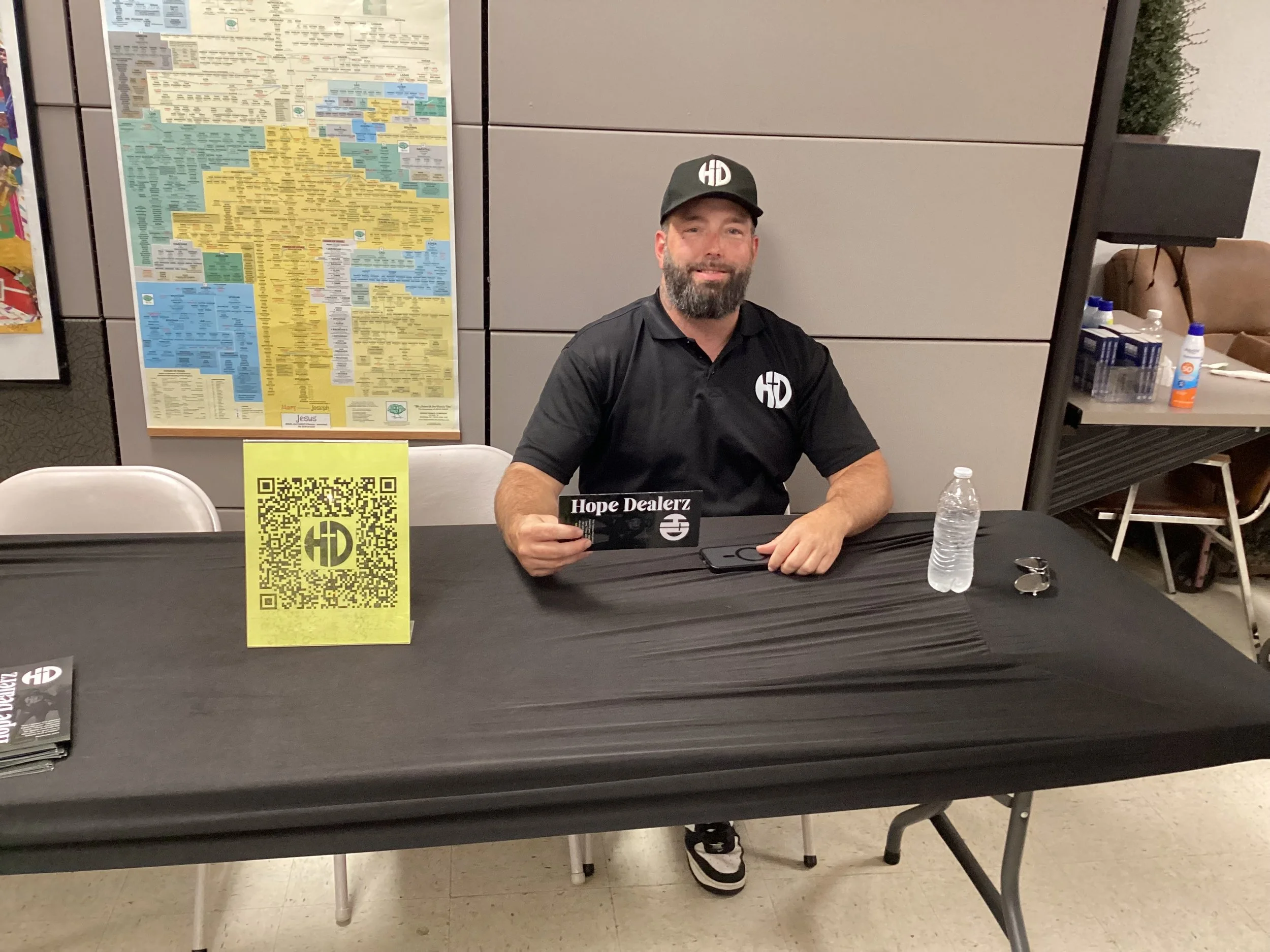
The Hidden Weight of Nonprofit Leadership — And How Everyday Believers Can Step In
Most people sitting in the pews on Sunday have no idea what it really feels like to lead a nonprofit. They see the food drives, the Christmas outreaches, the smiling photos on social media, and the occasional testimony of a family helped. What they don’t see are the struggles, the disappointments, and the quiet battles that nonprofit leaders fight every single day.
And honestly, that’s no one’s fault. Most of the work happens behind the scenes, in the late-night hours, in the private conversations, and in the moments when a leader is trying to figure out how to stretch one dollar into three.
But if we’re going to love our neighbors well, the church needs to understand the reality — and step into it.




The Real Challenges Nonprofit Leaders Carry
1. The Emotional Weight of People’s Pain
Nonprofit leaders sit with families who are scared, ashamed, overwhelmed, or exhausted. We hear stories of eviction, hunger, illness, addiction, and hopelessness. We absorb tears, anger, and fear. And we carry it home with us.
2. The Constant Pressure to Find Resources
Most nonprofits operate on razor-thin margins. Leaders spend countless hours writing grants, meeting donors, stretching budgets, and praying that the next utility bill or emergency request doesn’t break the system. Please note that many ministry leaders spend our own money when we’ve made a promise and the funds don’t follow.
3. The Disappointment of Limited Capacity
For every family helped, there are 10 more families waiting. Leaders often have to say, “not yet” or “we don’t have enough.” Those words hurt — deeply.
4. The Loneliness of Leadership
People assume nonprofit leaders have endless strength, endless compassion, and endless energy. But we are human. We get discouraged. We get tired. We sometimes feel invisible.
5. The Spiritual Battle
Serving vulnerable people is holy work — but it is also draining work. Leaders fight discouragement, doubt, and spiritual fatigue. We often feel like we’re pouring out faster than we can refill.



Why the Average Person Doesn’t See It
Because most nonprofit leaders don’t complain. We don’t broadcast our exhaustion. We don’t post about the nights we cry in our car. We don’t share the details of the family we couldn’t help or the donor’s promise that fell flat.
We simply show up again the next day.
But the church was never meant to watch ministry happen from the sidelines. Loving our neighbors is not the job of a few — it’s the calling of all.
How Everyday Believers Can Step In and Make a Real Difference
1. Show Up Consistently
Not just for the big events — but for the ordinary days. Stock shelves. Sort donations. Make phone calls. Pray with families. Consistency is the greatest gift you can give a nonprofit.
2. Give Before You’re Asked
Nonprofits rarely have “extra.” If God has blessed you, bless others. Small monthly gifts - $10 - $20 - $25 - matter more than people realize.
3. Ask, “What’s one burden I can lift off you this week?”
Leaders often carry tasks they don’t have time for: • picking up donations • organizing paperwork • delivering food • running errands. One small act can relieve enormous pressure.
4. Speak Life Into Leaders
Encouragement is fuel. A simple “You rock!” “I’m grateful for you,” or “You’re making a difference” can keep a leader going for weeks.
5. Pray — Really Pray
Not the quick “Lord bless the ministry,” but intentional prayer: • for wisdom • for provision • for protection • for strength • for favor. Prayer is not a backup plan. It is the engine.
6. Bring Your Skills, Not Just Your Hands
Nonprofits need: • accountants • grant writers • social media help • legal advice • marketing support • tech help • event planners. Your professional skills may be the exact miracle a nonprofit has been praying for.
7. Love Your Neighbor Outside the Building
The nonprofit is not the only place ministry happens. Check on your elderly neighbor. Help a single mom with groceries. Invite a struggling family to dinner. When the church lives out love, nonprofits don’t have to carry the whole load.
The Heart of It All
Nonprofit leaders are not superheroes. We are servants — often tired ones — doing our best to stand in the gap for people who are hurting.
The church can lighten that load. The church can multiply that impact. The church can turn compassion into action.
Loving our neighbors is not a program. It’s a lifestyle. And when everyday believers step in, nonprofit leaders don’t just survive — we thrive.